Canadian Prime Minister Mark Carney says his government examined the possibility of U.S. led military action in Canada as part of planning for extreme risks. He also made clear that such a scenario is remote rather than an outcome Ottawa expects.
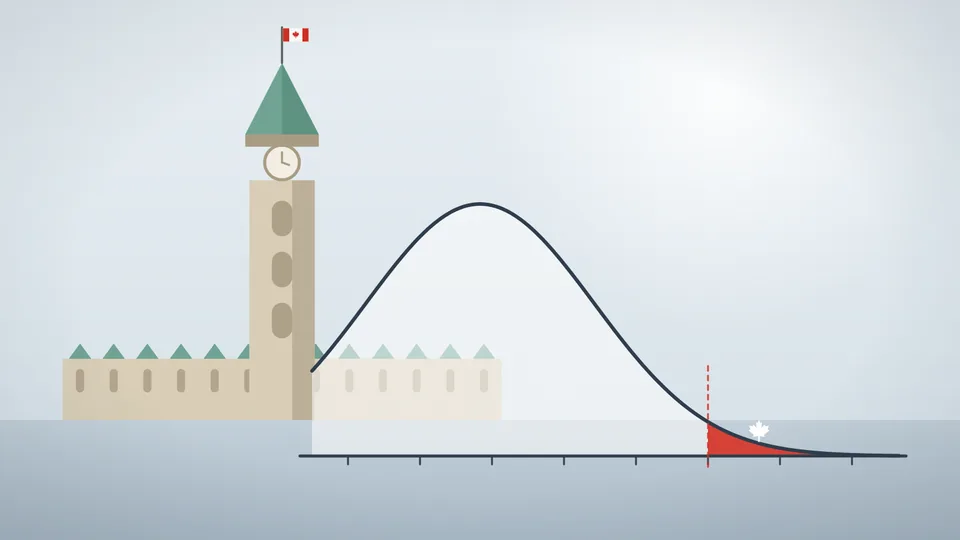
In a New York Times interview quoted by The Canadian Press and Global News, Carney said: “I think you have a responsibility in these roles to look at extreme tail risk. That’s just risk management. That’s not a base case, but it would be irresponsible not to (prepare).” He declined to describe what the examination involved.
What is known about the preparation
Carney’s wording does not establish that Canada has an operational “war plan” against the United States. He did not describe a military plan, identify which agencies took part or say the Canadian Armed Forces had been ordered to prepare for combat. In risk management language, an “extreme tail risk” is a very low probability event with potentially enormous consequences, the kind of scenario officials may examine even when they do not expect it to happen.
The context is especially unusual because Canada and the United States are NATO allies and cooperate through NORAD, the binational aerospace and warning command. The depth of that defense integration makes the hypothetical notable, but it does not mean the two countries have shifted into a posture of expecting armed conflict.
The backdrop: Trump’s “51st state” comments
The question comes after U.S. President Donald Trump repeatedly raised the idea of Canada becoming the 51st U.S. state. In January 2025, when asked whether he would use military force against Canada, Trump rejected that option and instead referred to “economic force.” His remarks at that time therefore should not be described as a declared plan for military annexation.
Even so, the repeated statehood rhetoric and economic pressure between the two countries have pushed what once would have been a purely theoretical question into mainstream Canadian political discussion.
What Carney did not say
Carney did not say an American attack was expected, cite a specific warning or disclose an operational military plan. The more precise description is that Canada examined an extreme scenario because, in his view, responsible governments should account for even very unlikely risks.
That distinction matters: preparing for a scenario is a risk management exercise, not a prediction that the scenario will occur.