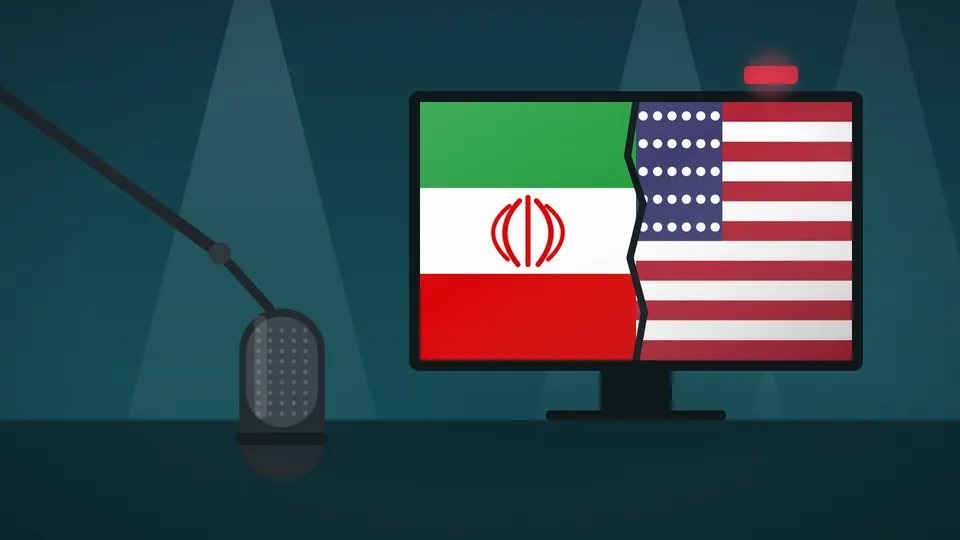
Mohammad Marandi, a University of Tehran professor and political commentator closely associated with the Iranian establishment, has reportedly said there has been no progress in indirect contacts between Iran and the United States. In statements attributed to him in recent circulation, he also warned that the region was heading toward escalation and told readers not to trust Axios or Al Jazeera.
A version of the remarks attributed to Marandi also accused the “dictatorships of the Persian Gulf” of joining U.S. pressure on Iran and referred to a “Trump and Bessent conspiracy” against the Iranian people. The original September post containing those exact words was not independently retrieved during this review, so the quotations should be understood as reported wording rather than an authenticated Iranian government communiqué.
Who is Marandi, and does he speak for Tehran?
Marandi is an academic and frequent international media commentator. In April 2026, Al Jazeera Arabic described him as a “member of the Iranian delegation” in talks with the United States, and he has previously been described as an adviser to negotiating teams. But no official document reviewed for this article identifies him as the chief negotiator, government spokesperson or formally authorized representative for the current September contacts.
That distinction matters because Marandi often uses sharper rhetoric than Iran’s formal diplomatic statements. His remarks may reflect views within parts of the Iranian establishment or knowledge from previous negotiations, but they do not by themselves establish the government’s official position or the precise state of talks.
Conflicting reports about the contacts themselves
Recent reporting has described meetings, mediation and possible technical discussions between Washington and Tehran, while Iranian sources have denied reports of a “new round” of negotiations. Formal negotiations, indirect messages, intermediary meetings and technical contacts are not the same thing. Marandi’s claim that there has been “no progress” therefore does not necessarily mean there has been no contact at all.