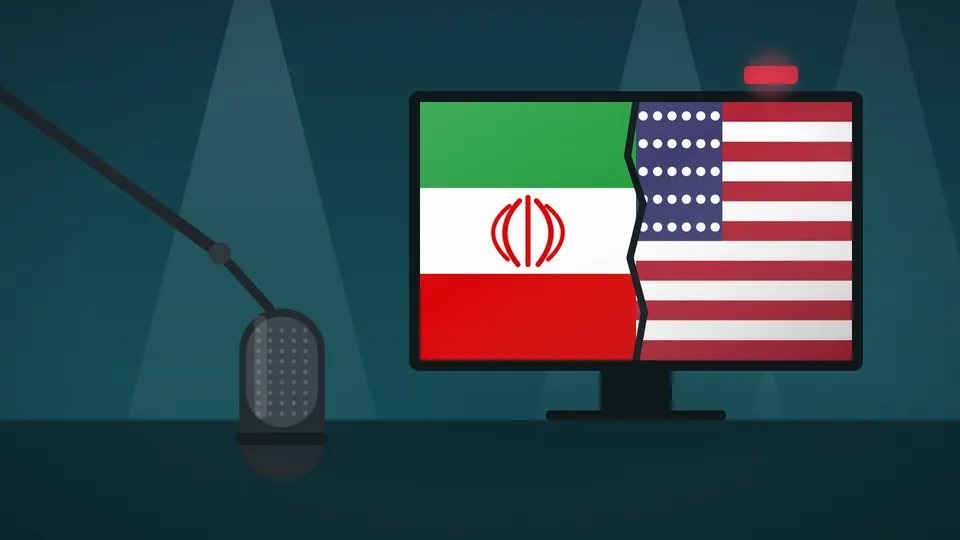
Pakistan’s Prime Minister Shehbaz Sharif warned at the United Nations General Assembly on September 25 that any Indian attempt to “stop, impede or divert” Pakistan’s share of the Indus river system would be treated by Islamabad as an “act of war.” He also said that “water must never be weaponised” and that rivers should nourish nations rather than divide them.
The warning follows India’s 2025 decision to hold the Indus Waters Treaty “in abeyance” after the Pahalgam attack. Pakistan argues that the treaty contains no mechanism allowing unilateral suspension. India, meanwhile, says normal treaty cooperation cannot continue while it accuses Pakistan of supporting cross border terrorism, an allegation Pakistan rejects.
What the treaty actually allocates
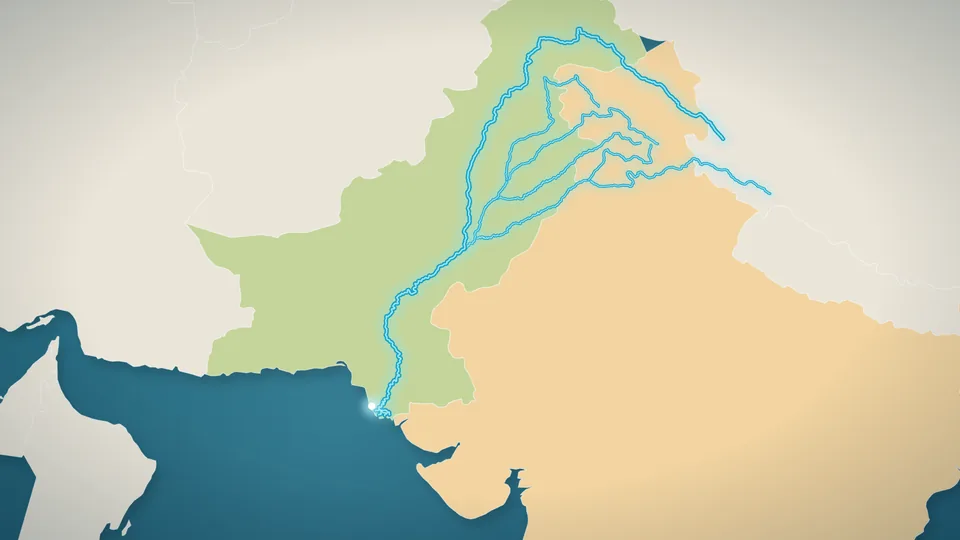
Signed in 1960 with the World Bank playing specified procedural roles, the treaty divides the six main rivers of the Indus system. India has broad use of the eastern rivers: Ravi, Beas and Sutlej. The western rivers (Indus, Jhelum and Chenab) are reserved primarily for Pakistan, while India retains limited rights for domestic use, certain irrigation and hydropower subject to treaty conditions.
The World Bank does not administer the rivers, but it has defined roles in dispute resolution mechanisms. India and Pakistan have also pursued parallel legal processes over Indian hydropower projects. India rejects the jurisdiction of the Court of Arbitration in part of that dispute, while Pakistan cites its decisions as support for the treaty’s continuing force.
Can India simply shut off the water?
Not immediately. Fully stopping or rerouting the western rivers would require major storage and diversion infrastructure that India does not currently possess at a scale capable of turning off the system. But changes to hydrological data sharing, reservoir operations and future construction can still affect flow timing, flood warnings and Pakistan’s water security. Sharif’s warning is therefore political rhetoric, but it sits on top of a real dispute over law, infrastructure and control of a transboundary river system.